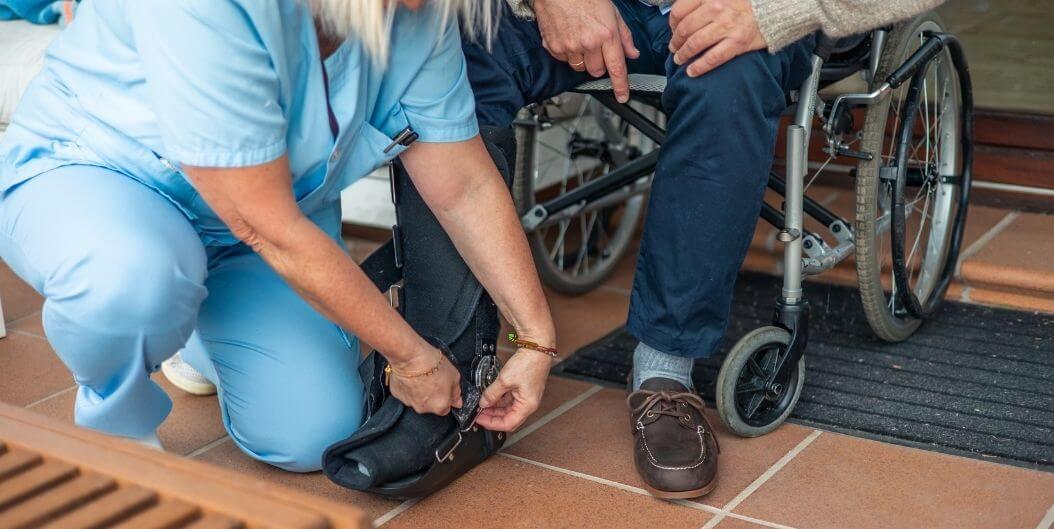
How to Choose the Right Shoes for Proper Support in Senior Assisted Living
Finding the right pair of shoes might seem like a small detail, but in assisted living communities, footwear plays a major role in comfort, independence, and safety. Proper shoes do more than complete an outfit; they support mobility, protect against falls, and promote overall health. When seniors spend much of their day walking to meals, attending programs, or enjoying social activities, supportive footwear becomes an essential part of daily wellness.
Why Proper Footwear Matters
Shoes are the foundation for every step. For seniors, poor footwear choices can increase the risk of falls, lead to foot pain, and cause mobility limitations. In assisted living, where daily activity is encouraged, the right support keeps residents moving confidently.
Supportive shoes:
- Reduce slips and falls.
- Cushion joints and absorb shock.
- Support balance during walking or standing.
- Help prevent common issues such as blisters, corns, and bunions.
Think of shoes as health equipment rather than fashion alone. The right pair keeps residents comfortable, safe, and active.
Prioritize Fit Over Style
Fit should always come first. Shoes that are too tight can cause blisters and circulation issues, while shoes that are too loose can increase the risk of tripping.
To ensure a proper fit:
- Measure your feet regularly, as feet can change in size and shape with age.
- Leave about a thumb’s width of space between the longest toe and the shoe’s tip.
- Ensure your heel fits snugly without slipping.
A properly fitting shoe reduces pain and provides the stability needed for everyday routines.
Look for Non-Slip Soles
Falls are a leading concern for older adults. In assisted living communities, floors may vary, carpeted lounges, polished dining rooms, and outdoor paths, so traction is critical. Shoes with rubber, textured soles provide grip and reduce the chance of slipping.
Key features:
- Rubber soles with good tread.
- Low, broad heels for balance.
- Soles that are flexible but not overly soft.
Non-slip soles are especially important for group activities, light exercise classes, and outdoor strolls.
Supportive Design Features
Certain design elements make shoes more senior-friendly:
- Arch support: Helps align the foot and reduce stress on knees and hips.
- Cushioning: Insoles that absorb shock protect joints during walking.
- Firm heel counters: Stabilize the rear of the foot to prevent wobbling.
- Lightweight materials: Reduce fatigue and make walking easier.
- Adjustable closures: Velcro straps or wider laces accommodate swelling and limit bending.
These features combine to deliver comfort, safety, and long-term foot health.
Consider Medical and Mobility Needs
Footwear should match individual health conditions:
- Diabetes: Choose shoes with extra depth, seamless interiors, and breathable fabrics to reduce pressure points and prevent sores.
- Arthritis: Opt for flexible materials, roomy toe boxes, and easy closures to reduce pain when putting shoes on and taking them off.
- Swelling (edema): Adjustable shoes with stretchable uppers or removable insoles accommodate changes in foot size.
If mobility aids such as walkers or canes are used, shoes with stable soles and a secure fit help maintain balance and confidence.
Indoor vs. Outdoor Shoes
Designating indoor and outdoor shoes can improve safety and hygiene in your assisted living community. Supportive slippers with non-slip soles work well inside, while lightweight walking shoes or sneakers provide extra protection for outdoor walks and fitness activities.
When selecting slippers:
- Avoid loose, floppy styles that can slip off easily.
- Choose options with firm backs or straps that secure the foot.
- Look for soles with traction suitable for indoor surfaces.
This separation keeps living spaces cleaner and ensures shoes match the activity.
Socks, Insoles, and Helpful Accessories
A good shoe is only part of the equation. The right socks and insoles enhance comfort and support.
- Choose moisture-wicking, cushioned socks to protect skin and reduce friction.
- Consider orthotic or over-the-counter insoles for added arch support or cushioning.
- Use a shoehorn to reduce bending and preserve the shoe’s shape.
- Elastic laces or Velcro straps help residents with limited hand dexterity slip into shoes more easily.
These small additions can make daily dressing simpler and safer.
When to Replace Shoes
Worn-out shoes lose support and traction, causing safety issues. Check shoes regularly and replace them when:
- Soles are visibly worn or smooth.
- Insoles are compressed and no longer cushion the foot.
- Shoes no longer fit comfortably due to wear or changes in foot size.
As a general guideline, walking shoes used frequently should be evaluated every 6 to 12 months, depending on use and condition.
Involve Professionals
Podiatrists, physical therapists, and shoe-fit specialists can offer personalized recommendations. Professional input is especially valuable for residents with diabetic feet, circulatory issues, chronic foot pain, or mobility challenges.
Practical Shopping Tips for Families
Families often help loved ones choose shoes, so these simple tips make the process easier:
- Shop in the afternoon when feet are slightly swollen for a more accurate fit.
- Bring the socks usually worn with the shoes to ensure proper sizing.
- Have the resident walk on different surfaces in-store to test comfort and traction.
- Keep purchase receipts and check return policies in case a different fit is needed after wear.
These steps help ensure residents have footwear that truly supports their daily life.
Looking for the Right Assisted Living Community That Supports Your Well-being? Discover Lyndale Abilene Senior Living Today
Footwear plays a vital role in promoting safety, comfort, and independence for seniors in assisted living. From non-slip soles and strong arch support to easy closures and specialized designs for health conditions, the right shoes create a foundation for active living.
At Lyndale Abilene Senior Living, resident wellness extends to every detail, encouraging safe and confident movement. To learn more about how Lyndale supports daily living and mobility, schedule a tour today and see firsthand the thoughtful care and resources available.